Bringing Social Circles To Dating

- Consumer
- Social
- iOS/Android
- Product Strategy
- Experience Design
- Research Strategy
- Org Leadership
I owned the problem that dating felt lonely and AI didn’t understand people deeply enough, shifted the experience from solo to social, and built a system that increased real dates and established a new product pillar.
Staff Product Designer
August 2025
Approx. 11 months
- Hinge Labs
- Hinge Exec Team
Hinge Social Team
Dating makes people feel lonely and unseen because apps are built around individual experiences and shallow signals that fail to understand or reflect who they really are.
Hinge’s systems optimize thin signals like photos and prompts without access to real human context.
AI risked reinforcing shallow optimization, limiting its ability to improve dates, retention, and long-term differentiation in a crowded dating market.
The Finale
- Higher match efficiency
- Strong Gen Z adoption
- Shipped globally
Proof from the people who know you — the signal the profile always lacked
Social becomes a core pillar of the Hinge product
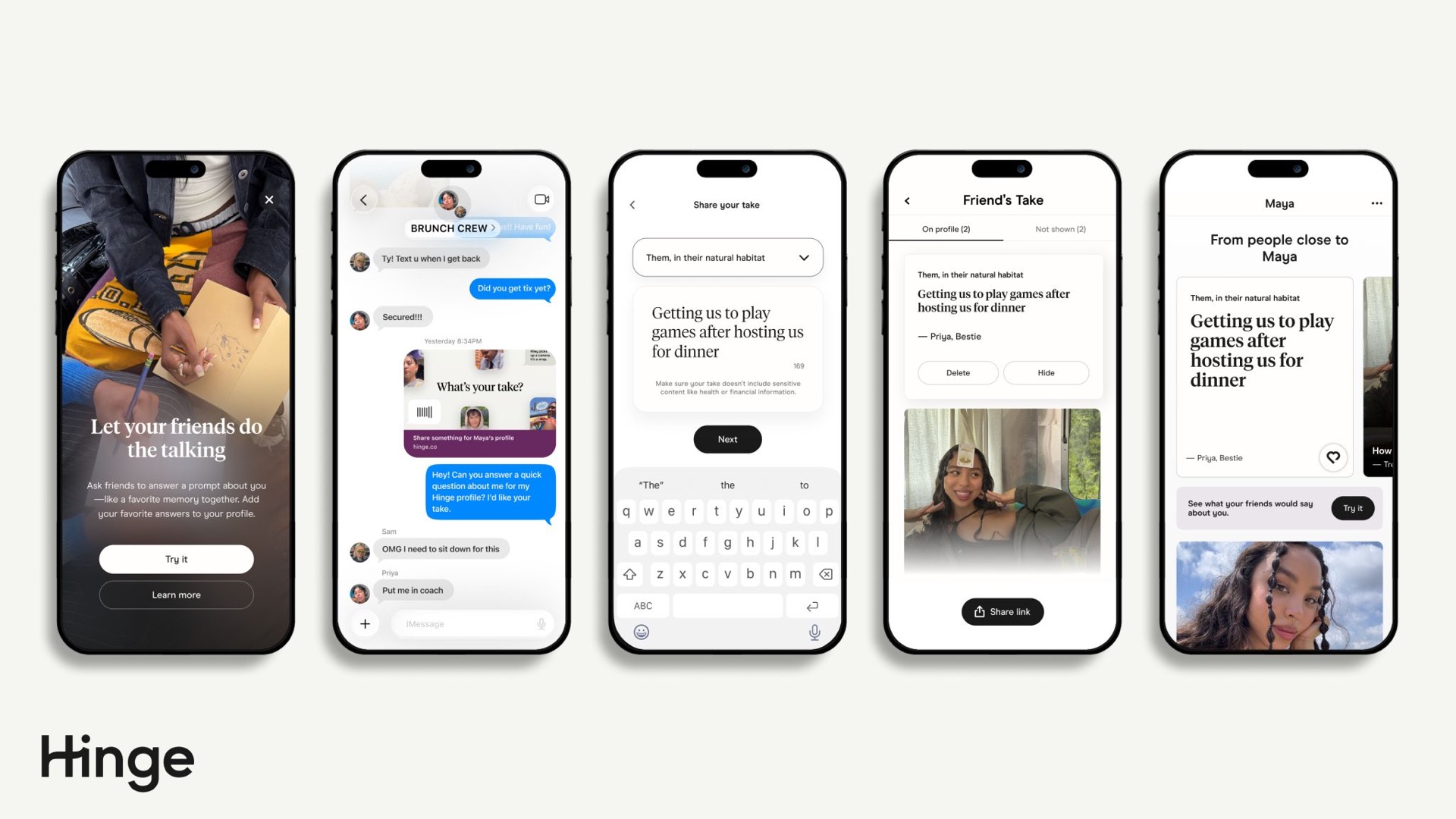
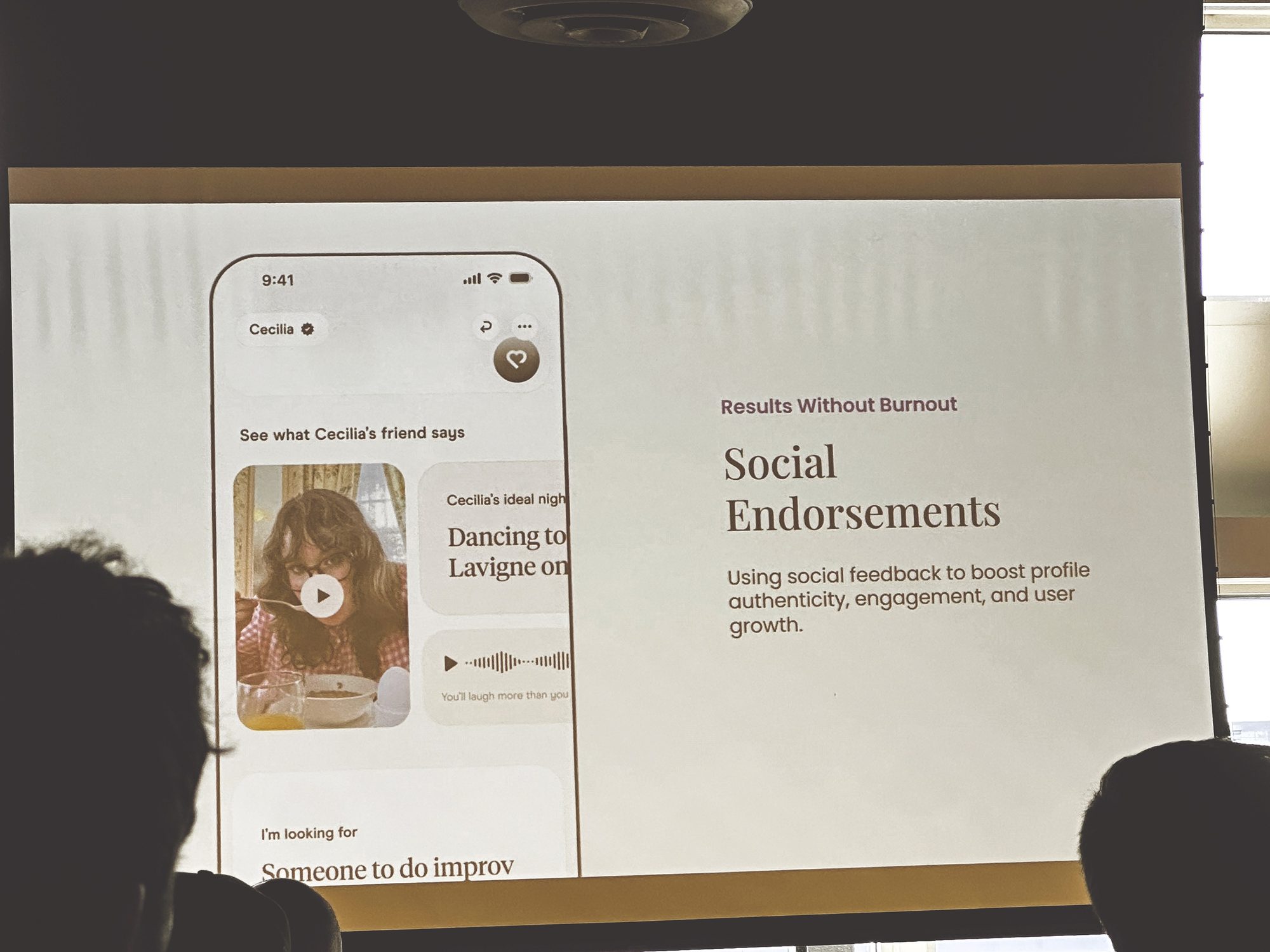
Friend feedback increased the number of dates on Hinge. People updated their profiles based on input from others, which led to better matches and more real-world dates.
Testimonials added a layer of credibility by showing what others said about you, addressing the need for proof, not just self-description. This made profiles both more effective and more trustworthy, while also driving growth by bringing new users into Hinge through participation.
11 Months Earlier
Labs Team (Lead PD, Staff Data Engineer, Lead UXR)
New York, NY Hinge HQ, Labs Office Enclave
Whether AI could address loneliness, not just efficiency
By this point, I had built live AI prototypes that let teams test ideas directly, shifting research from slides to working experiences and earning leadership trust in the output.
As we used these with real data and real daters, I identified the core gap. The issue wasn’t AI capability. We were missing the human signals needed to understand people, which limited how much the system could actually help.

The Conflict
Dating designed as a solo activity
No authentic signal in the system
AI optimizing without understanding
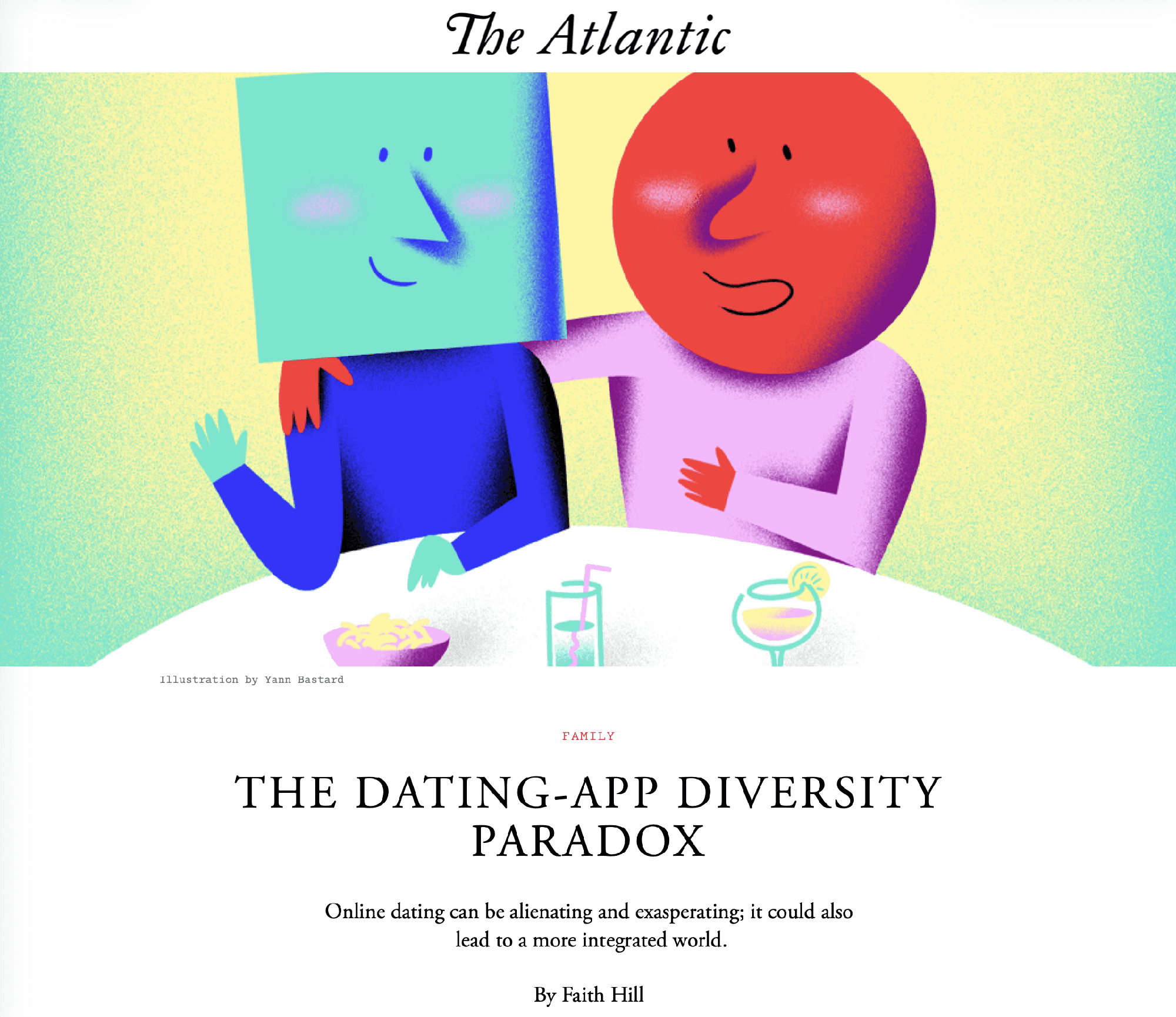
Dating products are built as solo experiences, but people don’t date alone. They send screenshots to friends, ask for advice, and even borrow photos before making decisions. Hinge had no way to capture this input.
As a result, profiles reduced people to a few prompts, and the system had no access to how they were actually perceived by others. AI could only learn from what individuals said about themselves, not how they showed up in real relationships.
The question became, could bringing trusted people into the product give AI the context it needed to better understand and help people?
The Climax
Make loneliness testable
Social input + AI synthesis
Individual → relational understanding
I introduced friend input into the product so AI could learn from how people are actually seen by others, not just how they describe themselves.
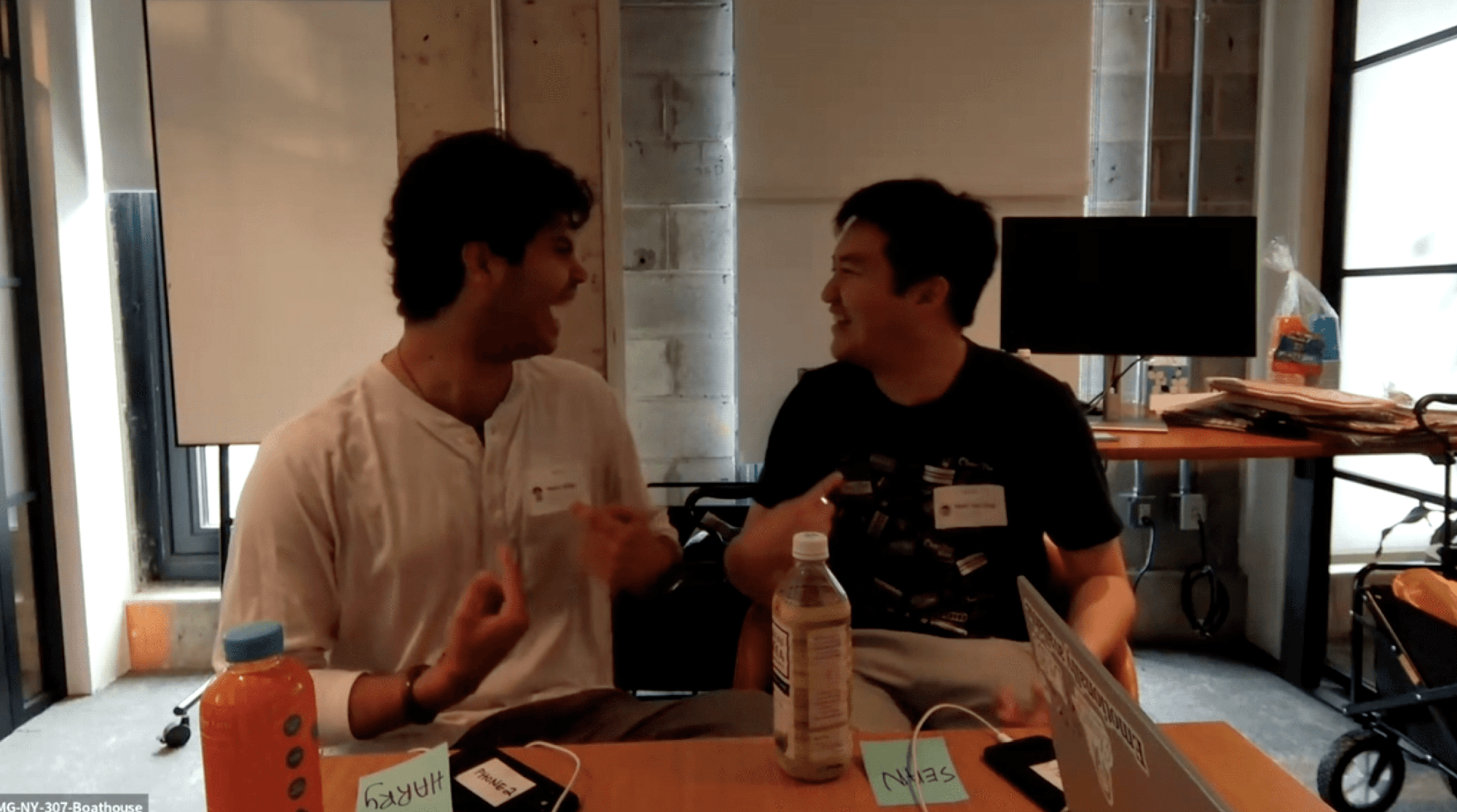
To make this testable, I designed social features and built prototypes that let multiple people interact with the same profile in real time, so teams could observe how friends influenced decisions and behavior.
This shifted the system from relying on self-presentation to learning from real relationships, giving AI access to signals profiles consistently missed.
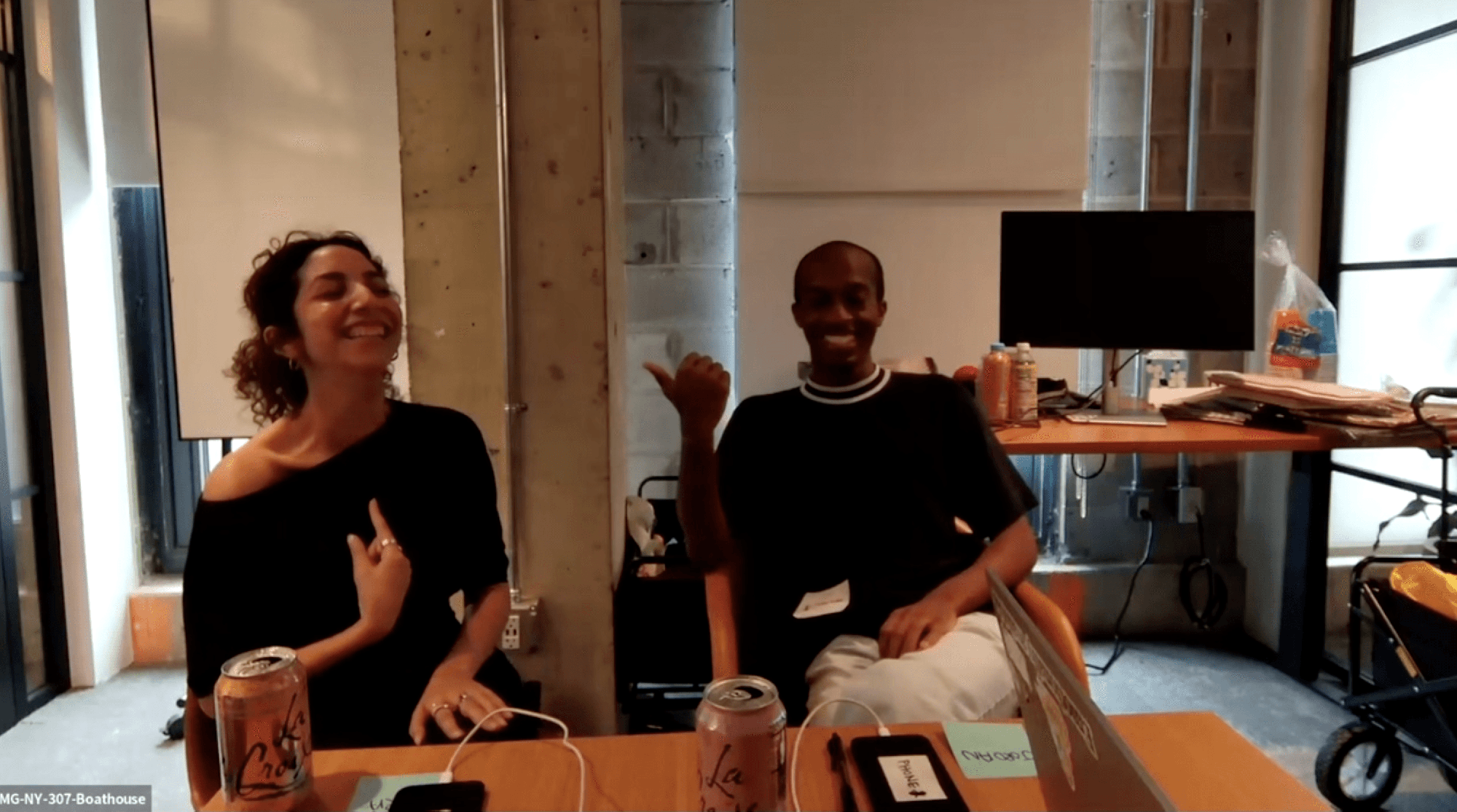
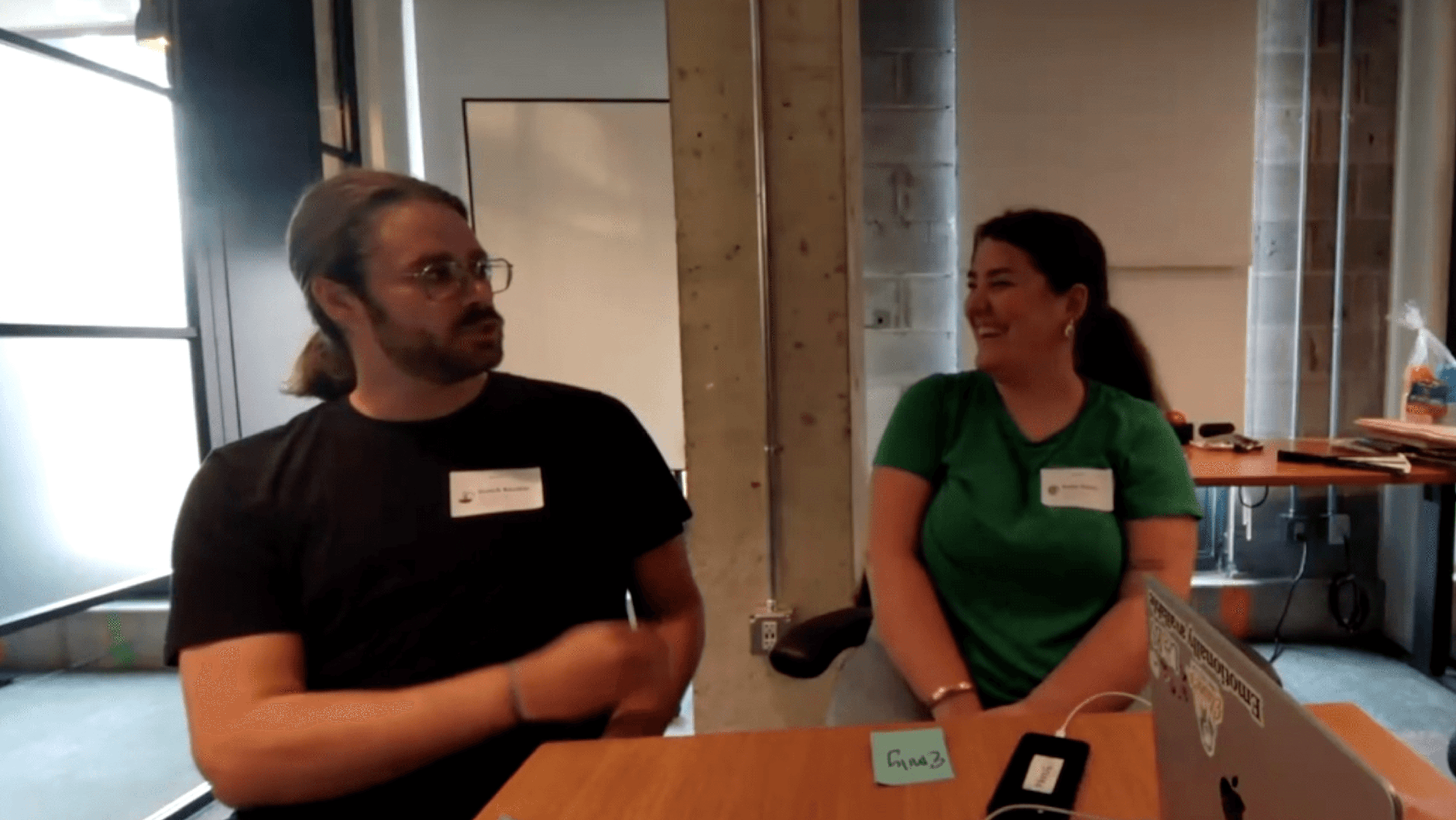
Details
Product Pillar Formation
- Design Leaders
- Product Leaders
- Engineering Leaders
- Founders
- Companies looking to improve their AI systems and experiences
“AI didn’t fail. It was never given the right signal.”
Est. $450–600K
Est. $8–15M in strategic value