Enabling AI Decision Frameworks

- Consumer
- Social
- iOS/Android
- Product Strategy
- Org Leadership
I owned the problem that teams couldn’t agree on how to make AI decisions, set a shared decision framework, and built a common way to evaluate AI work so the company could move from debate to action, while improving engagement metrics.
Lead Product Designer
December 2023
5 Months
- Lifecycle Product Team
- Labs Team
- Design Leadership
- Hinge Research
- Design
- Product
- Engineering Directors
Dating makes people feel pressured and drained because it rewards inauthentic behavior and demands too much effort.
AI decisions driven by opinion, not evidence. Teams lacked a shared framework to evaluate decisions.
Hinge risked slow execution, fragmented strategy, and compounding opportunity cost as competitors moved faster.
The Finale
Measurable lifecycle gains
Shared AI decision language
2024 company strategy
Before this work, AI reviews ended in debate. After it, they ended in decisions. While closing company-level AI uncertainty, I continued shipping on Lifecycle. This work delivered a +0.4% opt-in lift, up to +2% app-level opt-in for new-like notifications, and a +1.9% GDPU increase. The AI playbook grounded decisions in lived experience rather than opinion. It pulled Labs-tested concepts into executive planning across Hinge and Match Group and reshaped the AI Vision Sprint from whether AI should exist to how it should be applied. This phase did not ship an AI feature. It shipped the organization’s ability to decide, moving AI from ownerless belief to executable strategy.

5 Months Earlier
Labs Team (Lead PD, Staff Data Engineer, Lead UXR)
New York, NY Hinge HQ
Moving AI beyond belief
When I joined Hinge, AI didn’t have an owner.
I was embedded on the Lifecycle team, creating strategy and shipping notifications and onboarding, while AI work lived loosely in Labs under a broad mandate to “investigate.” Leadership agreed AI mattered, but nothing was shipping.
Trust, safety, and authenticity came up constantly, but only in theory. The company wasn’t stuck because people disagreed. It was stuck because there was no shared way to decide what responsible AI in dating actually meant.
The Conflict
AI evaluated through opinion
No shared decision framework
Endless exploration without commitment
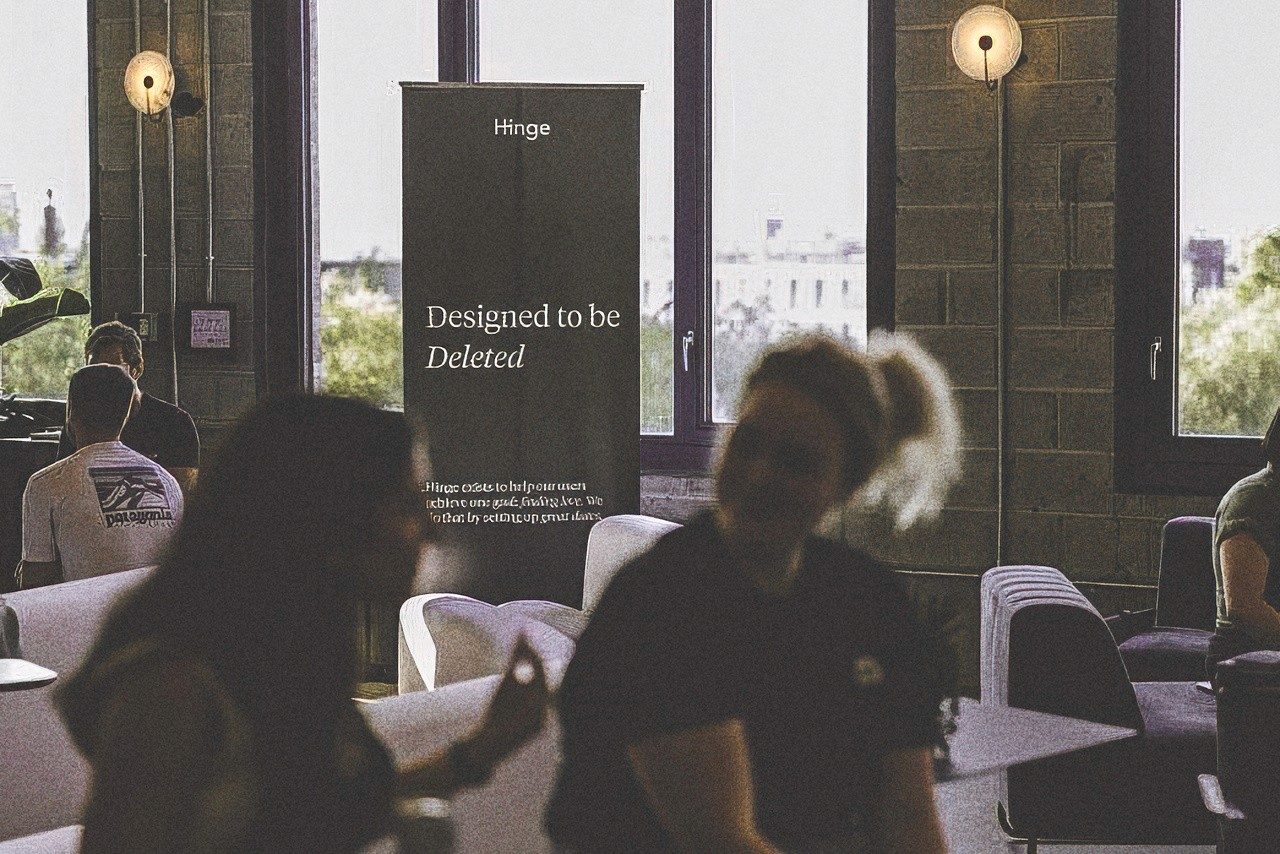
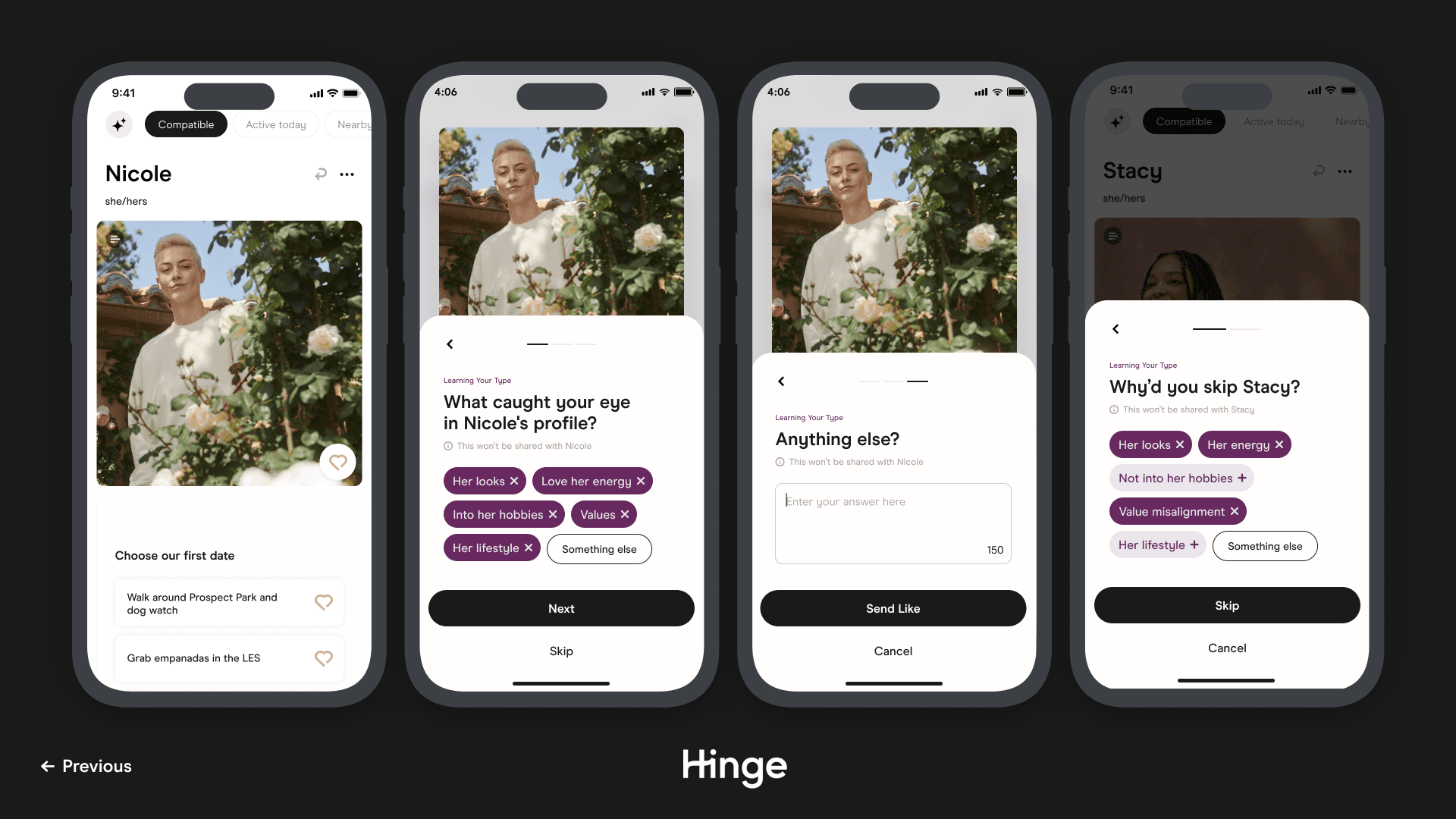
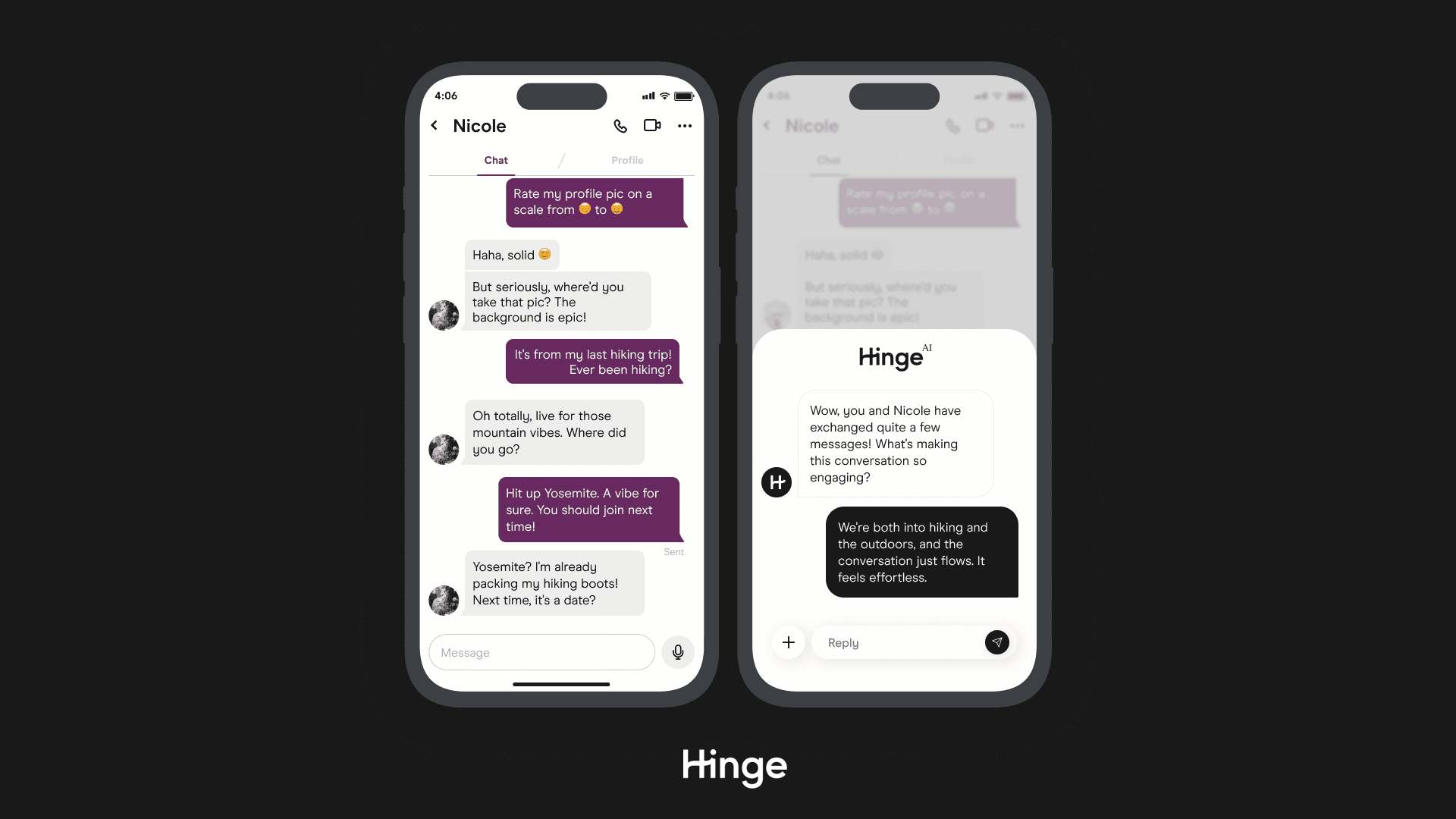
AI conversations lived in slides and meetings, not in experience or evidence. Teams couldn’t answer basic questions about what AI should solve, how autonomous it should be, or where it strengthened connection versus eroded trust. Leadership had already committed to doing AI while individual contributors were still debating whether they should, resetting every discussion to theory instead of conviction. Without shared criteria to decide, that gap widened, frustration grew, and alignment broke down as teams argued using incompatible frameworks.
The Climax
Make the system legible
Shared product understanding + AI decision frameworks
Debate → structured choice
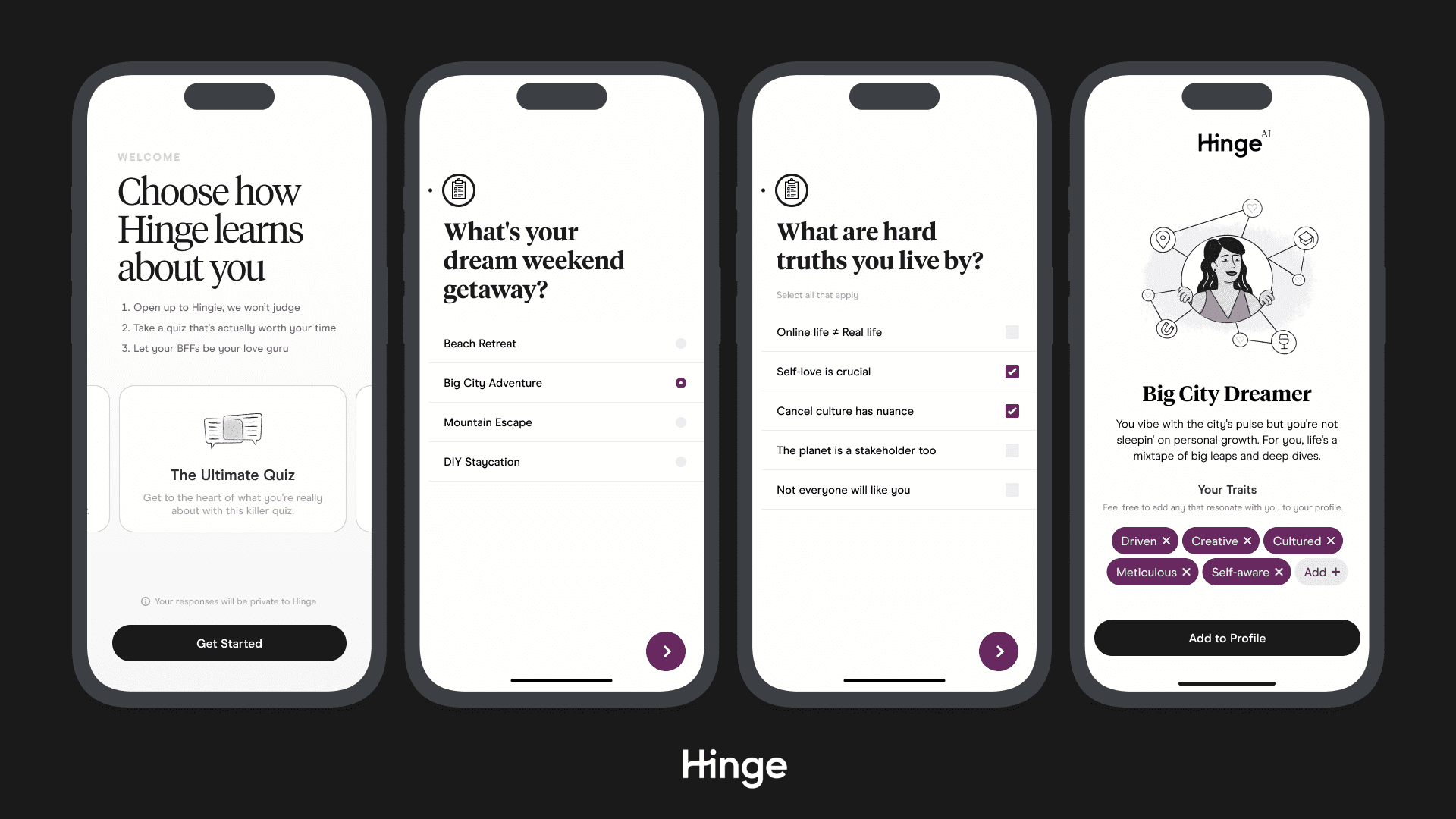
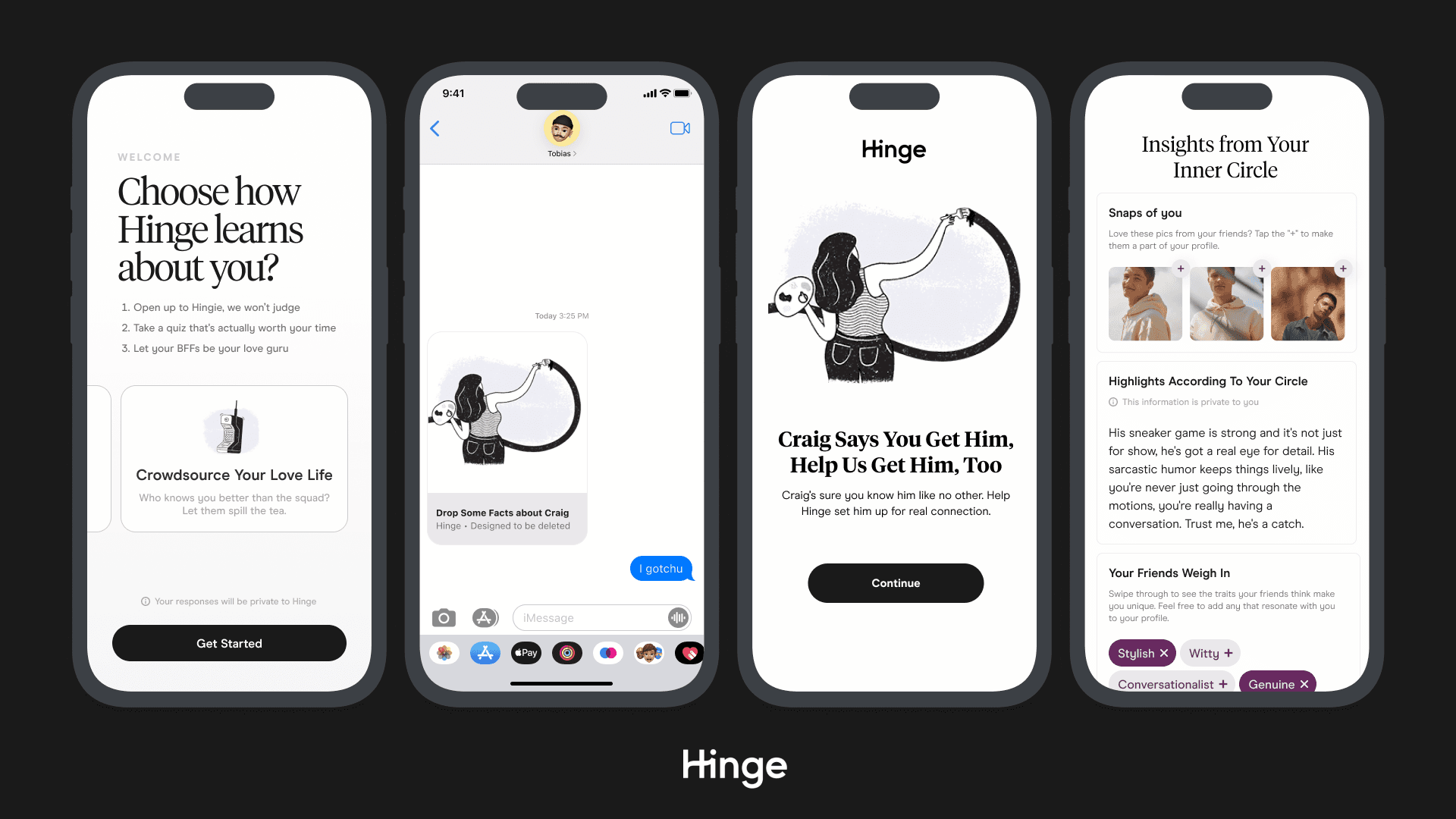
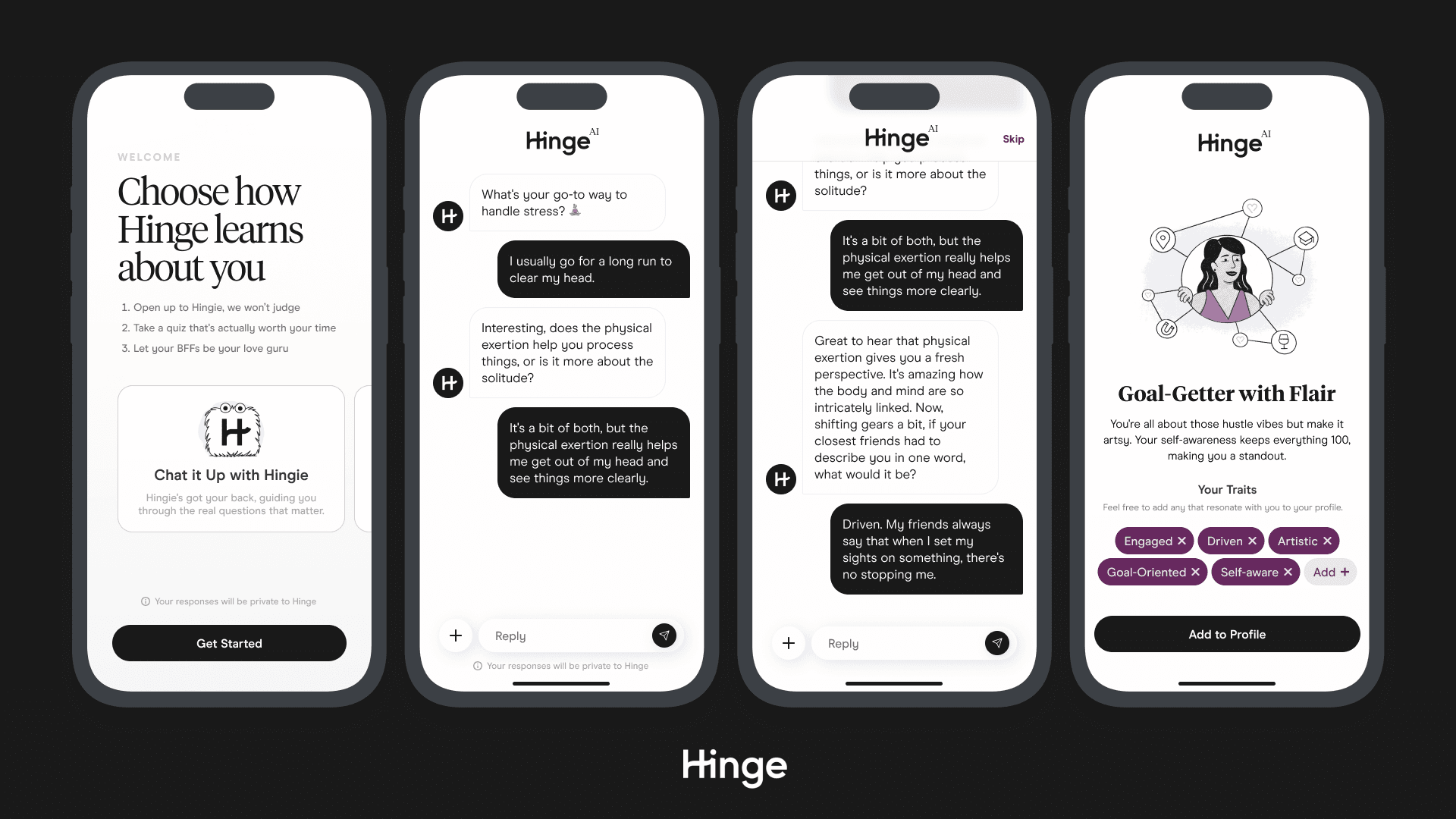
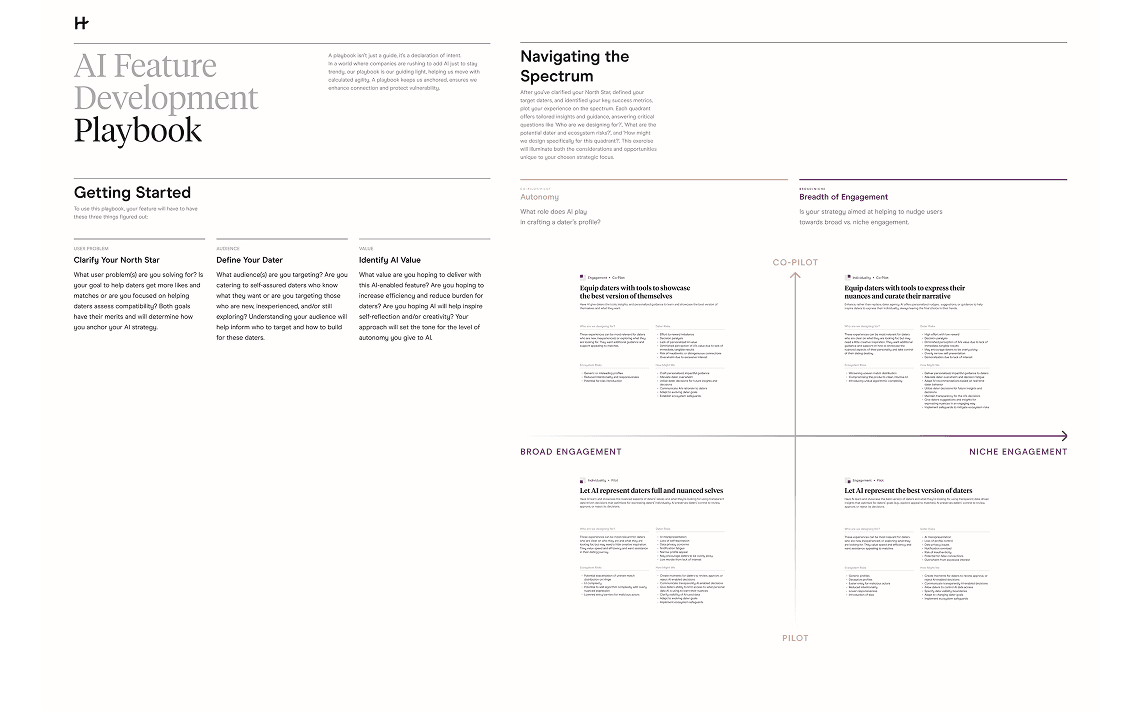
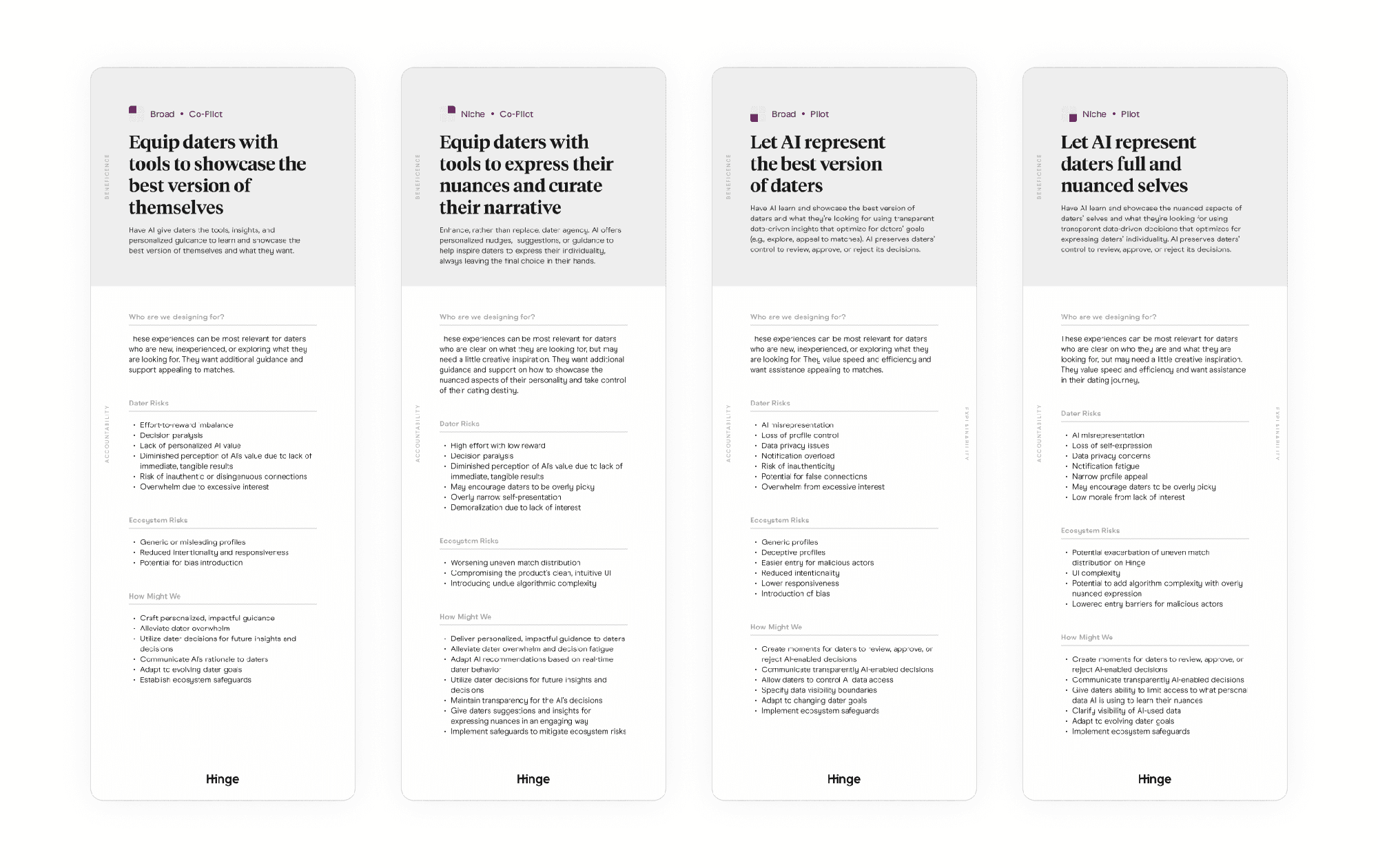
I defined the criteria leadership had to align on before any AI work could move forward. Alongside shipping on Lifecycle, I closed the broader organizational gap by making the product legible through the first company-wide end-to-end spec, giving teams a shared reference point across design, product, engineering, and research. I then created an AI feature development playbook that forced earlier decisions. Every initiative had to name the user, the problem, and the value. Spectrum-based models made tradeoffs explicit, requiring teams to decide how autonomous AI should be, how broad the audience was, and what risks and safeguards each choice carried, turning AI from abstraction into something the organization could reason about and build.
Details
0→1 Organizational Enablement
- Design Leaders
- Product Leaders
- Engineering Leaders
- Organizations facing high-ambiguity and high-stakes decisions
“The breakthrough wasn’t the feature. It was making the decision unavoidable.”
Est. $1.1–1.3M
Est. $6–10M attributable value. Conservative attribution yields a 5–8× ROI on team investment