Update of the day

Hinge · Aug 2025
Behind the design
Dating felt lonely, and AI didn’t understand people deeply enough. I moved the experience from solo to social.
 Craig RobertsStaff Product Designer
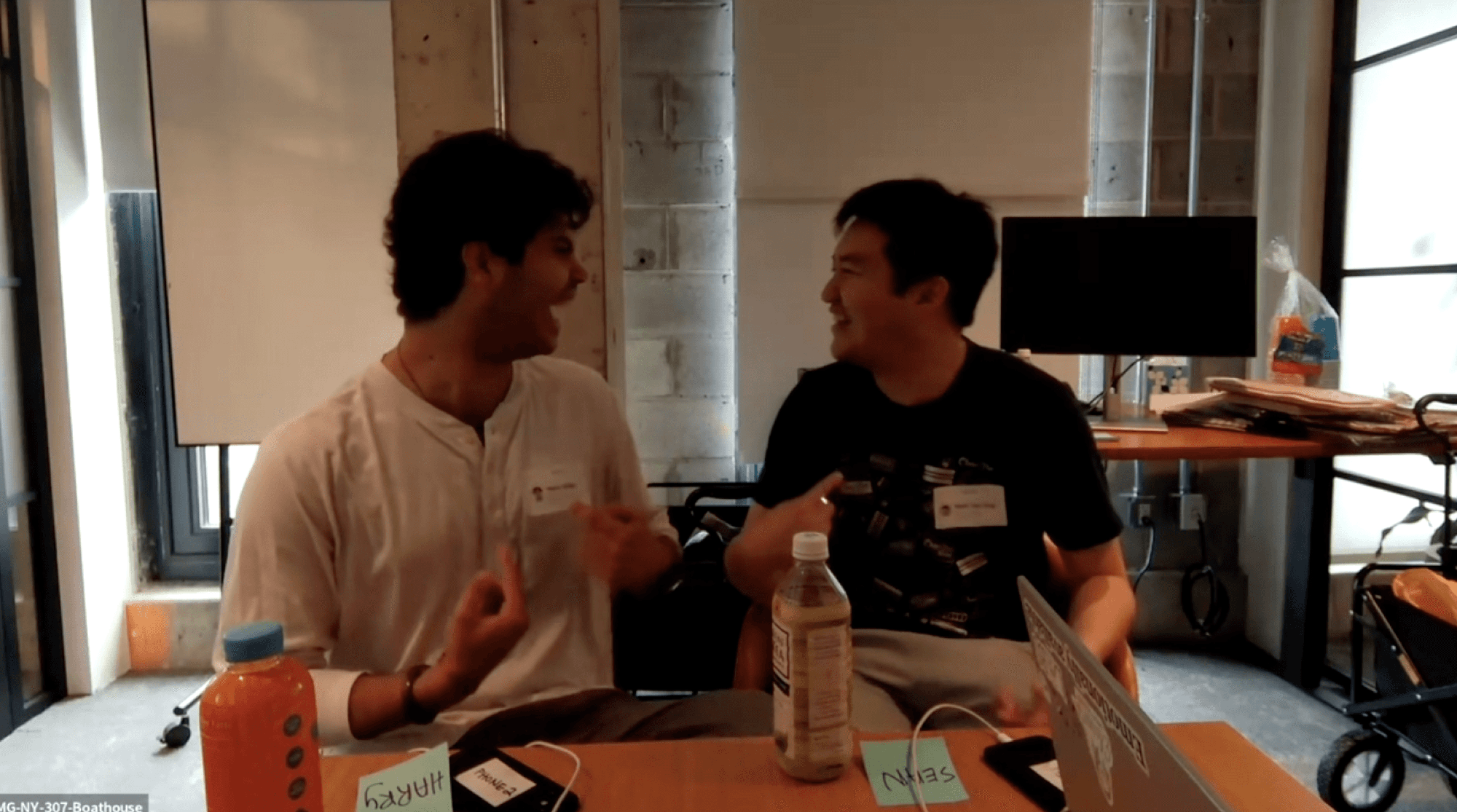
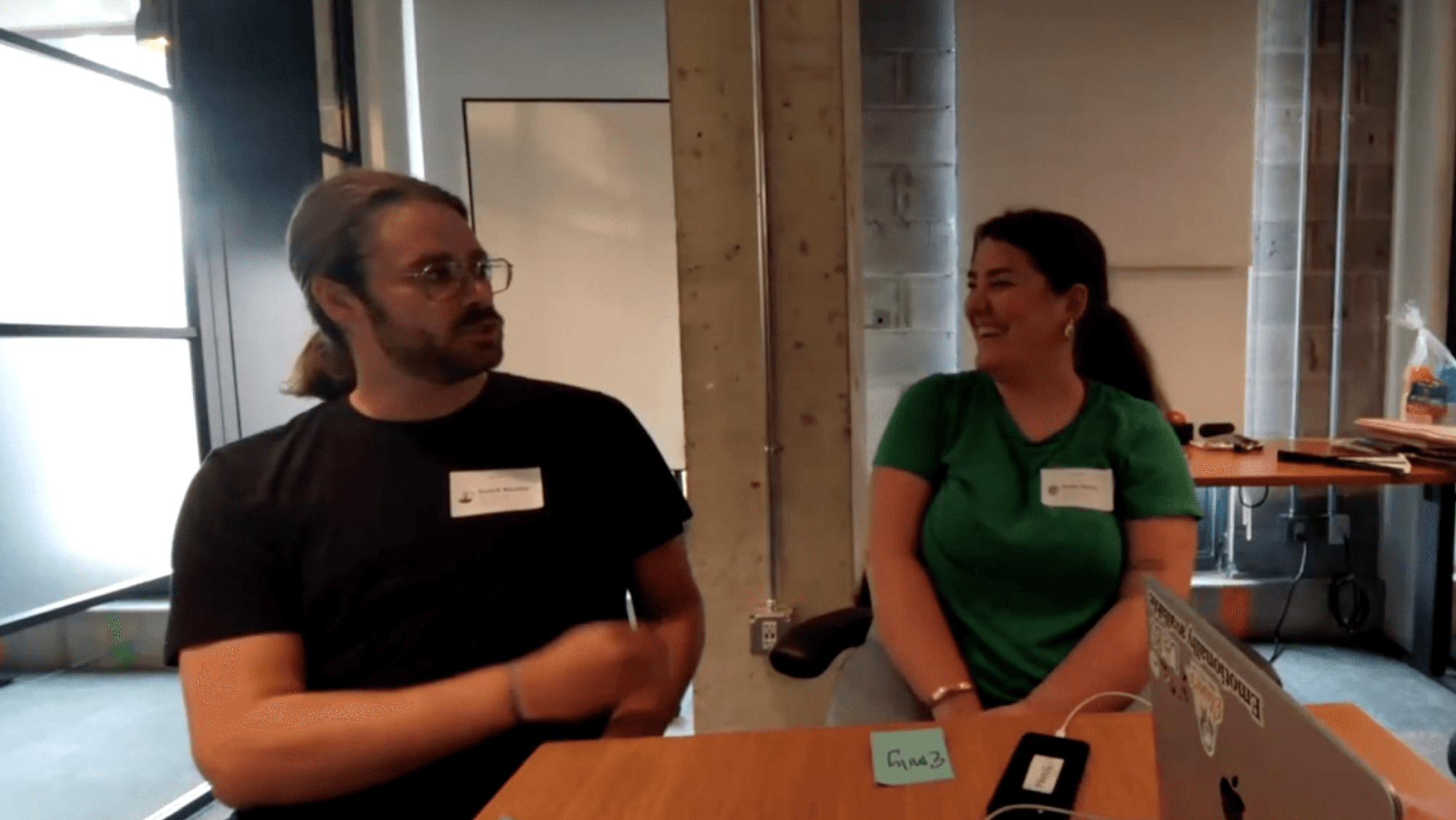
Hinge Labs: a product design lead, a staff data engineer and a UX research lead
Hinge’s executive team
Hinge’s Social team
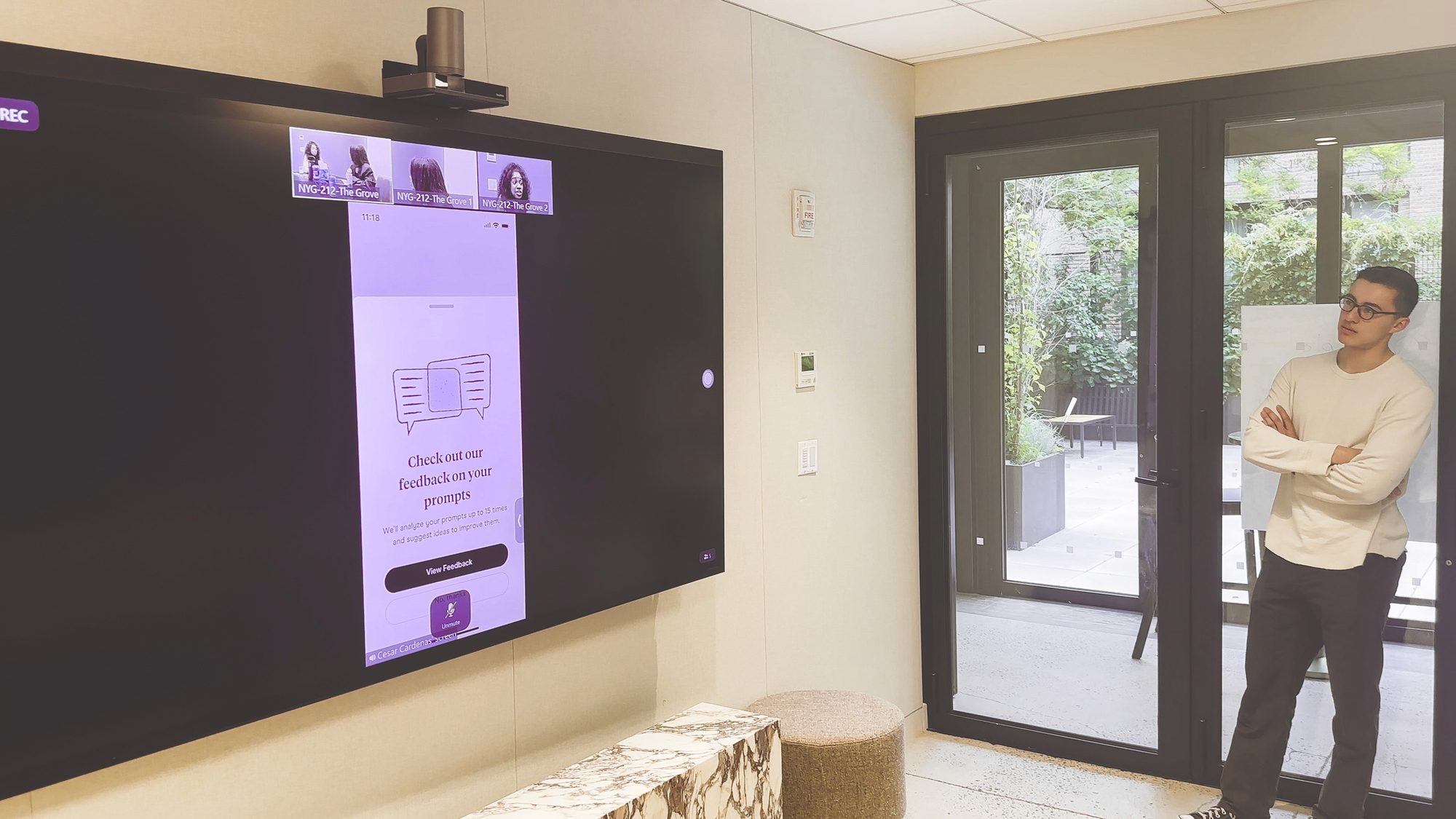
By this point, I had built live AI prototypes that let teams test ideas directly, shifting research from slides to working experiences and earning leadership trust in the output.
As we used these with real data and real daters, I identified the core gap. The issue wasn’t AI capability. We were missing the human signals needed to understand people, which limited how much the system could actually help.

Dating products are built as solo experiences, but people don’t date alone. They send screenshots to friends, ask for advice, and even borrow photos before making decisions. Hinge had no way to capture this input.
As a result, profiles reduced people to a few prompts, and the system had no access to how they were actually perceived by others. AI could only learn from what individuals said about themselves, not how they showed up in real relationships.
The question became, could bringing trusted people into the product give AI the context it needed to better understand and help people?
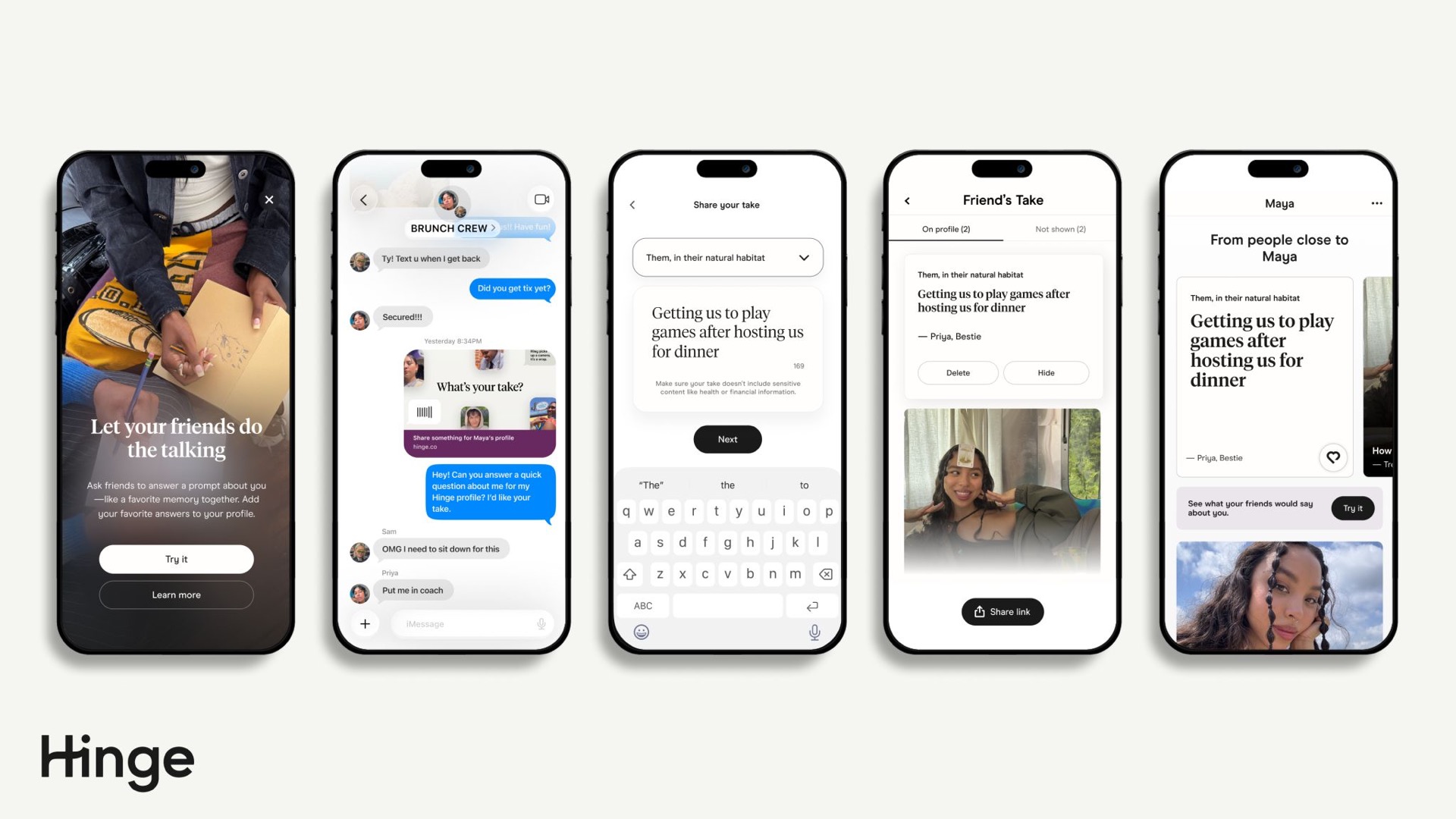
I introduced friend input into the product so AI could learn from how people are actually seen by others, not just how they describe themselves.
To make this testable, I designed social features and built prototypes that let multiple people interact with the same profile in real time, so teams could observe how friends influenced decisions and behavior.
This shifted the system from relying on self-presentation to learning from real relationships, giving AI access to signals profiles consistently missed.

“AI didn’t fail. It was never given the right signal.”
Friend feedback increased the number of dates on Hinge. People updated their profiles based on input from others, which led to better matches and more real-world dates.
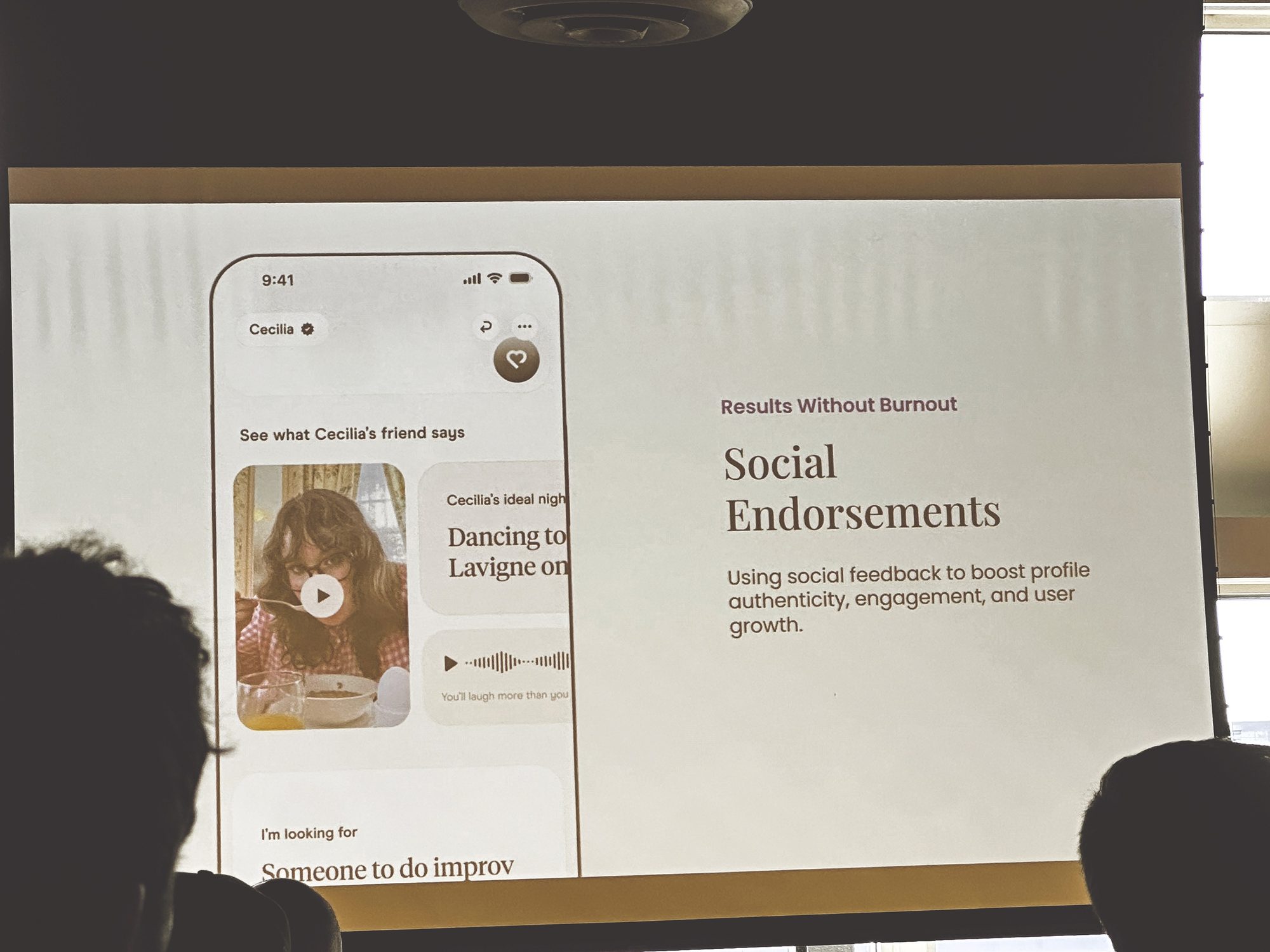
Testimonials added a layer of credibility by showing what others said about you, addressing the need for proof, not just self-description. This made profiles both more effective and more trustworthy, while also driving growth by bringing new users into Hinge through participation.