Update of the day

Hinge · Jan 2025
Behind the design
AI strategy wasn’t turning into product. I built live AI systems, so Hinge could ship its first AI feature.
 Craig RobertsStaff Product Designer
Hinge Labs: a product design lead, a staff data engineer and a UX research lead
The Identity team: a PM, a designer, a UX researcher and a data analyst
By the time the AI Vision Sprint launched, AI was no longer theoretical. The decision frameworks I created had aligned the organization on what responsible AI in dating could be, but that alignment introduced a new risk. If the sprint produced only decks and concepts, it would undo the progress that made AI decidable.
With teams pulled from core work and skepticism still high, failure to produce something tangible would retroactively invalidate the work. At the same time, no team at Hinge had any way to evaluate AI in a live product environment.

Vision moved faster than execution. There was no live AI evaluation medium, no shared way to test ideas with real users, and no technical path from concept to product. As a result, leadership discussions turned into design theater at company scale, where promising AI ideas accumulated without any system capable of shipping them.
I decided AI work would only matter if it could run end to end in a real product environment. I built live AI infrastructure with OpenAI-backed endpoints and an internal Hinge API, closing the gap between prototype and production.
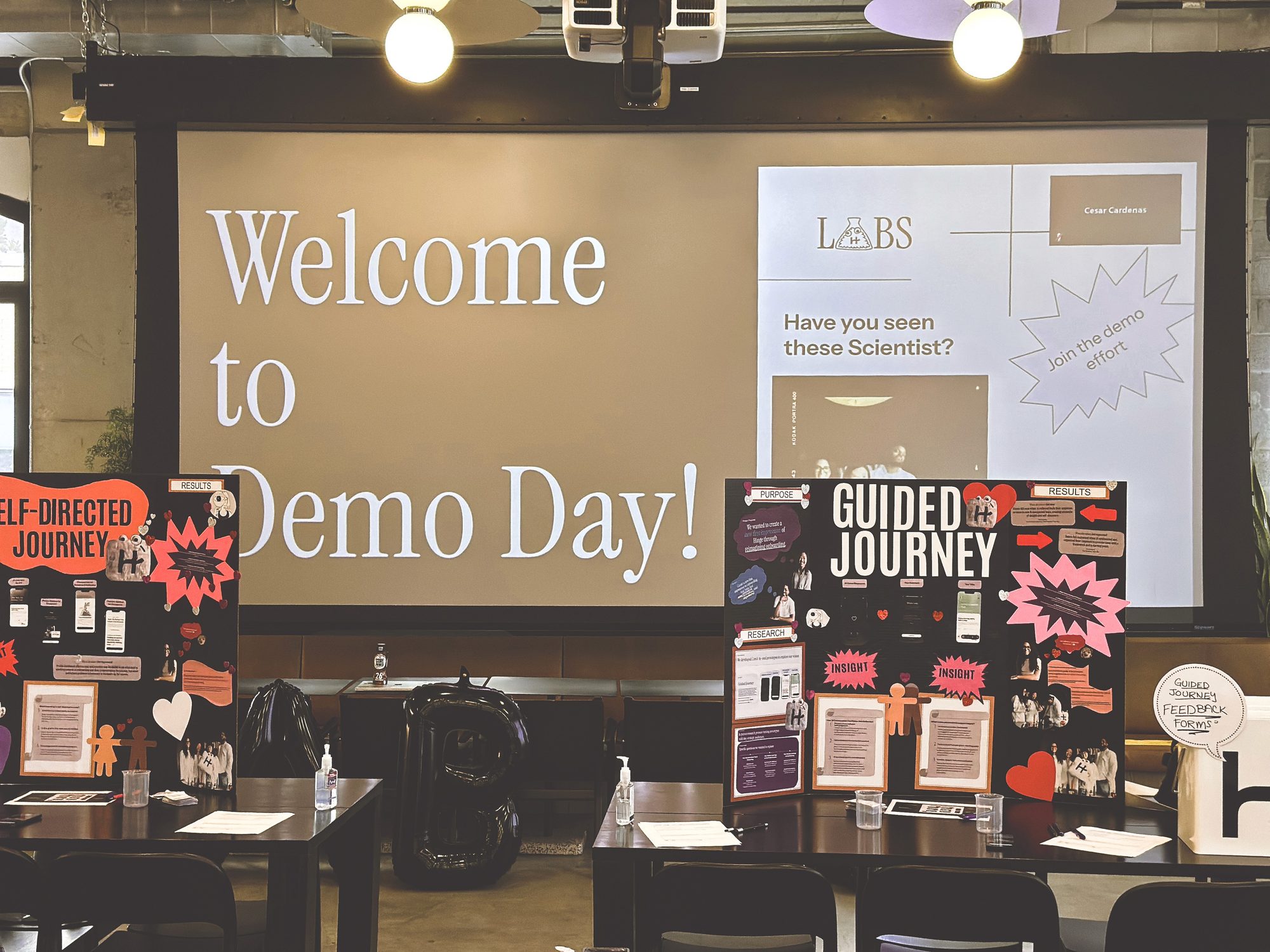
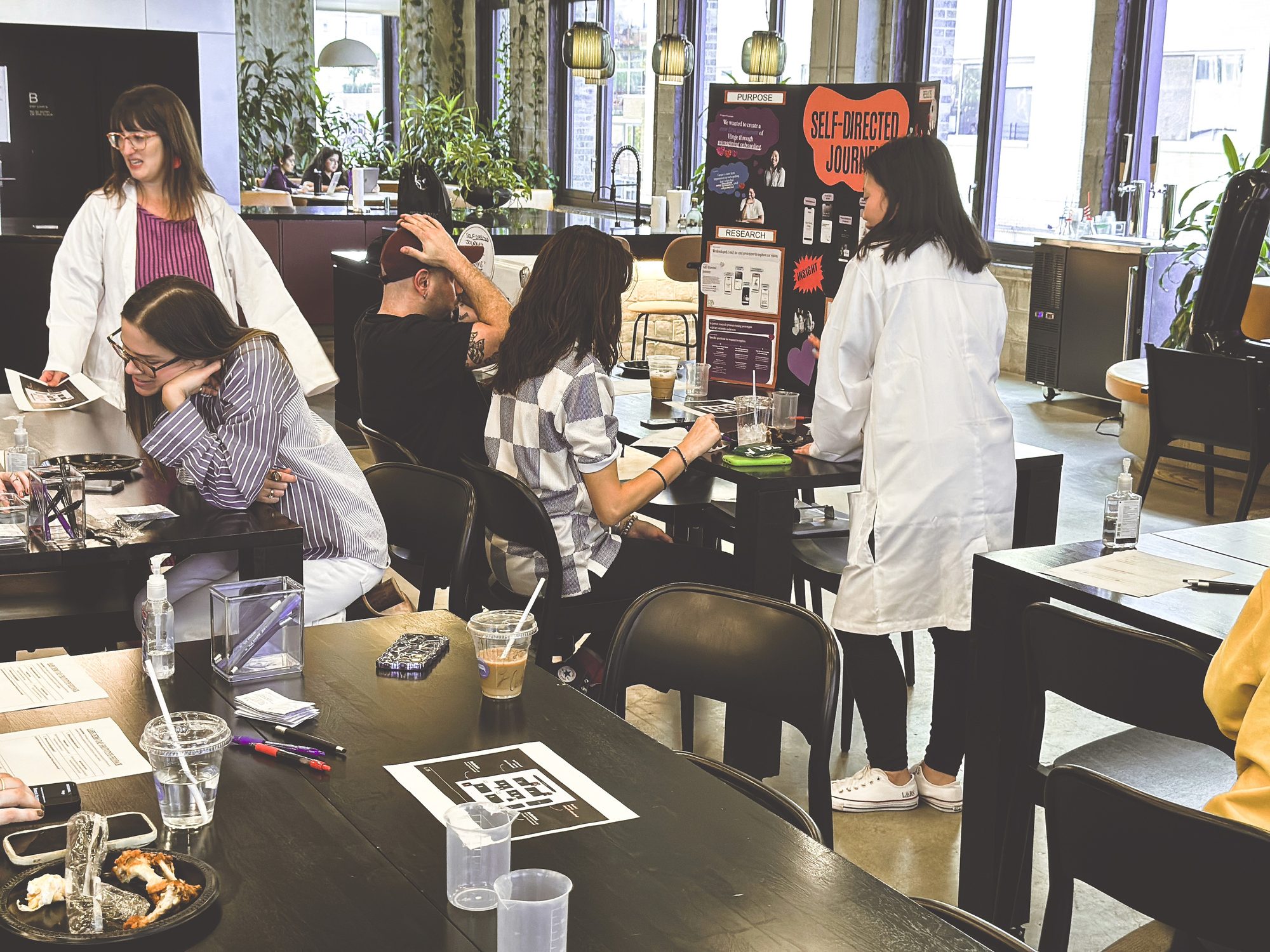
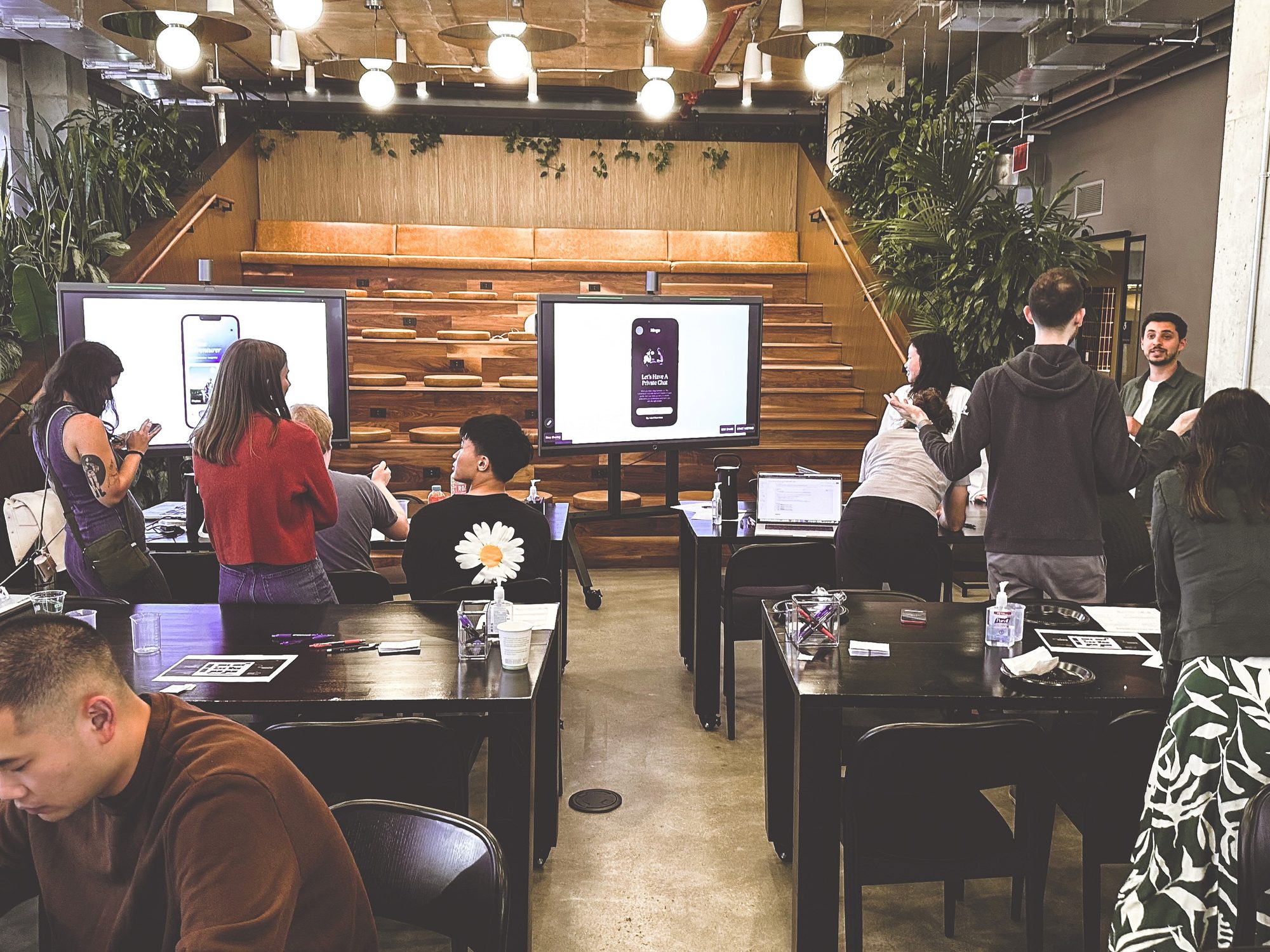
During the AI Vision Sprint, I shifted the focus from concepts to execution by wiring live AI into design prototypes and ending the sprint with a demo day where ideas were used, not debated. That moment turned Prompt Feedback from speculation into a shipping decision and set the foundation I later carried forward in Labs to build the broader end-to-end AI experience.
“Vision doesn’t fail. Execution does.”
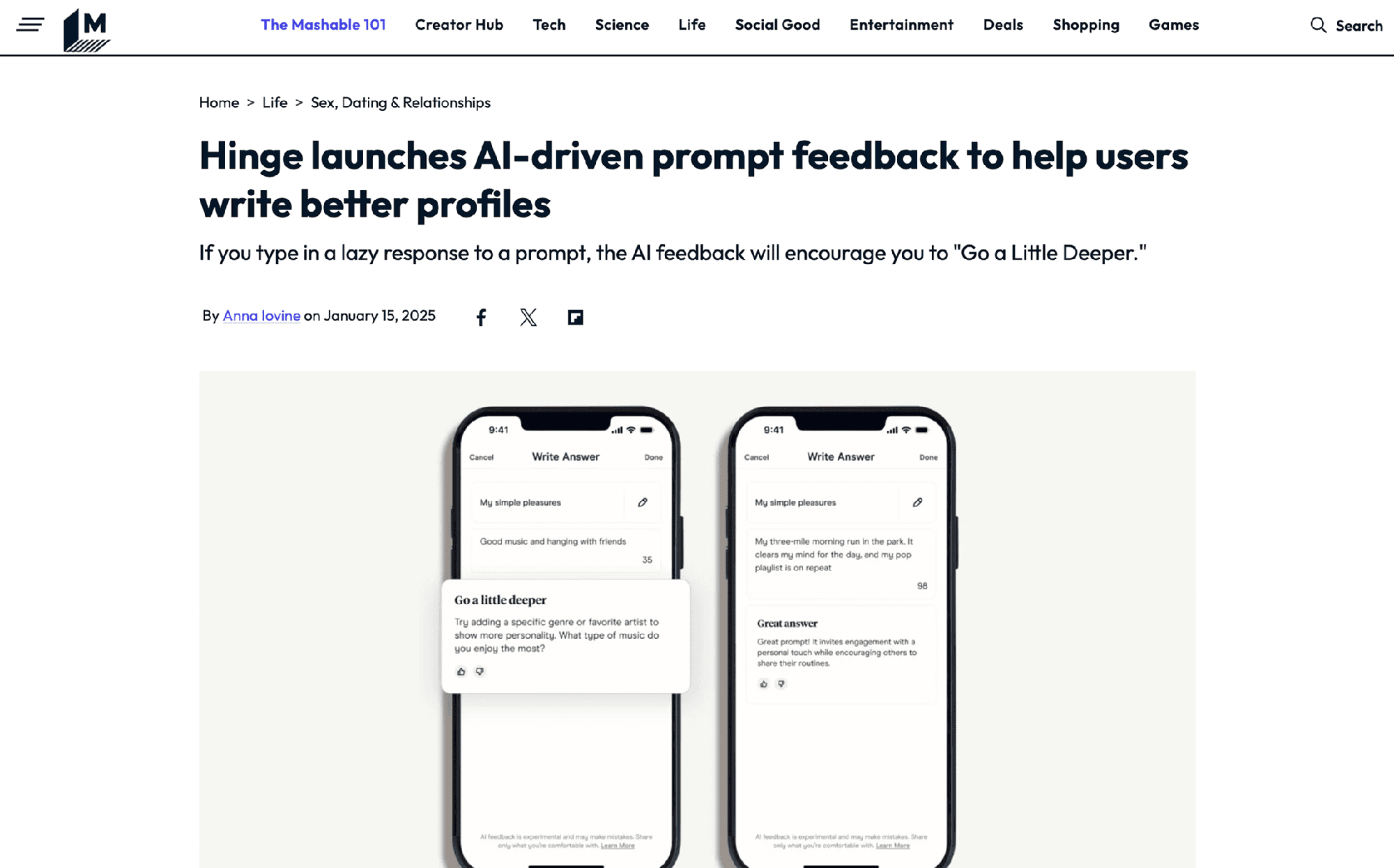
This work produced Hinge’s first shipped AI feature and established a repeatable execution model. Before it, AI discussions ended in opinion and deferral. After it, they ended in shipment or clear rejection. When the sprint ended without ownership, I carried the work forward and partnered with the Identity team to ship Prompt Feedback, doing the invisible work beyond Figma required to make it real.
Prompt Feedback shipped as Hinge’s first AI feature validated with real users, reducing low-quality prompts by 33%, increasing high-quality responses by 174%, and doubling conversation-to-app download rates. In parallel, I rebuilt the AI vision as an end-to-end working system, ran a second Labs sprint with real daters, and institutionalized demo days, making it the gate every AI feature now passes.